



Performance baseline
Record representative templates and distinguish lab measurements from available real-user evidence.
Improve real storefront responsiveness by fixing the theme, media and script decisions that customers actually experience.
Speed work starts with a reproducible slow experience. A large hero image, blocking app script and expensive product interaction need different repairs. We establish a baseline, prioritize the largest observed costs and compare results under consistent conditions instead of using a score as the entire brief. A useful report separates the first visible content from later interaction delays. We inspect representative mobile journeys with real assets and required apps, then describe which changes are likely to help and which dependencies remain. The handover gives the merchant practical image and publishing guidance to avoid recreating the same bottleneck.
Record representative templates and distinguish lab measurements from available real-user evidence.
Trace expensive assets, rendering delays and repeated work before removing functionality.
Optimize the approved images, fonts, theme code and app loading behavior against measured bottlenecks.
Repeat comparable checks, confirm core shopping interactions and document remaining third-party or content constraints.
Core Web Vitals, Liquid rendering, JavaScript, app payloads, fonts, media and template behavior are profiled before code is removed or deferred.
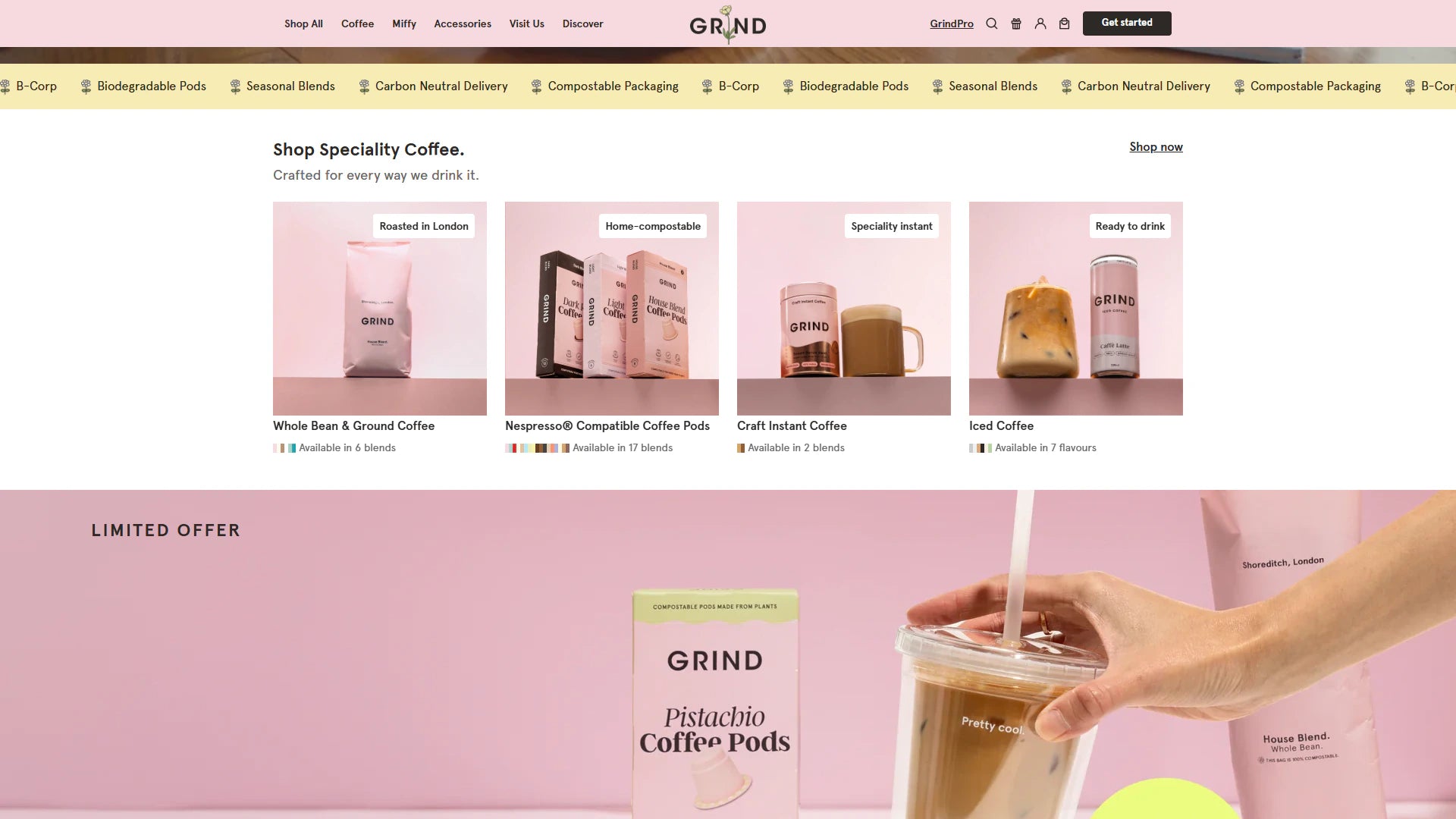
See real storefront views from the selected Shopify projects. Open each case study for the documented scope and more detail.

Product education and merchandising context relevant to evidence-led customer-journey decisions.
View project
A verified storefront where fit confidence and product discovery shape the buying experience.
View project
Include product, collection and landing pages rather than testing only the homepage.
Keep a record of the asset or interaction each optimization addresses.
Confirm variants, cart actions and required tracking still work after performance changes.
These examples are selected for relevant Shopify work and visual context. They do not imply a numerical result that has not been verified.
“The A/B test was carried out professionally, with good communication and exactly according to the brief.”
A/B testing project / Upwork
Read verified reviewsNo. Scores vary with test conditions, page content and third-party services. The useful goal is improving measured loading and interaction problems while keeping the store functional.
No. Each app should be assessed for business value and measured cost. Removal, replacement or delayed loading is proposed only after identifying what the app does and which journeys depend on it.
Real-user reporting aggregates observations over time, so it may lag a release. Comparable lab checks provide immediate evidence while field trends are reviewed as new data becomes available.
Yes, the agreed review should include representative templates and the journeys customers actually use. A product page with options or reviews can behave very differently from a homepage. We choose examples that expose shared components, large content and important app interactions.
Many improvements concern image delivery, font loading, unnecessary requests or repeated script work and can preserve the visual design. Where a feature itself causes a measurable cost, we explain the tradeoff and agree an alternative before changing the customer experience.
The handover records the tested URLs, measurement conditions, changes made and remaining constraints. It should also identify regression checks for shopping behavior and practical content guidelines. Comparable before-and-after evidence is more useful than an isolated score without its test conditions.
Tell us where you want to take your Shopify business. Vivek will review your goals and discuss a practical way forward.
Paid projects, development hours and ongoing support. Scope and cost are agreed before work starts. Explore working options.