



Checkout customization audit
Record existing scripts, app behavior and customer-facing requirements, including items no longer needed.
Replace unsupported checkout workarounds with upgrade-safe extension surfaces and explicit business rules.
Checkout extensibility is a move to supported extension surfaces, not unrestricted access to checkout markup. We translate the customer requirement into the available targets and configuration controls, then identify separate backend rules or tracking dependencies needed for the complete journey. An effective brief identifies the exact point where the customer needs information and the action that information supports. We review the target, required data and fallback behavior before designing the extension. Existing checkout apps and merchant settings are included in the same acceptance scenarios to avoid conflicting experiences.
Record existing scripts, app behavior and customer-facing requirements, including items no longer needed.
Identify supported UI surfaces and plan constraints for each requirement before committing to an implementation.
Implement approved content, interaction and extension configuration within Shopify-supported boundaries.
Test the affected purchase paths, consent behavior and order output with the relevant apps enabled.
A legacy checkout customization may display delivery guidance or request additional information. Its replacement needs a supported extension target and a defined place for any captured data.
Document the purpose of the old customization using one ordinary order and one exception. Identify whether the replacement displays information or changes supported transaction behavior, and confirm plan and extension availability. Review how captured information reaches staff. Include missing data and changed cart contents in the preview checks so a message does not become misleading as the order changes.
Illustrative scenario for scoping the work, not a reported client result.See real storefront views from the selected Shopify projects. Open each case study for the documented scope and more detail.

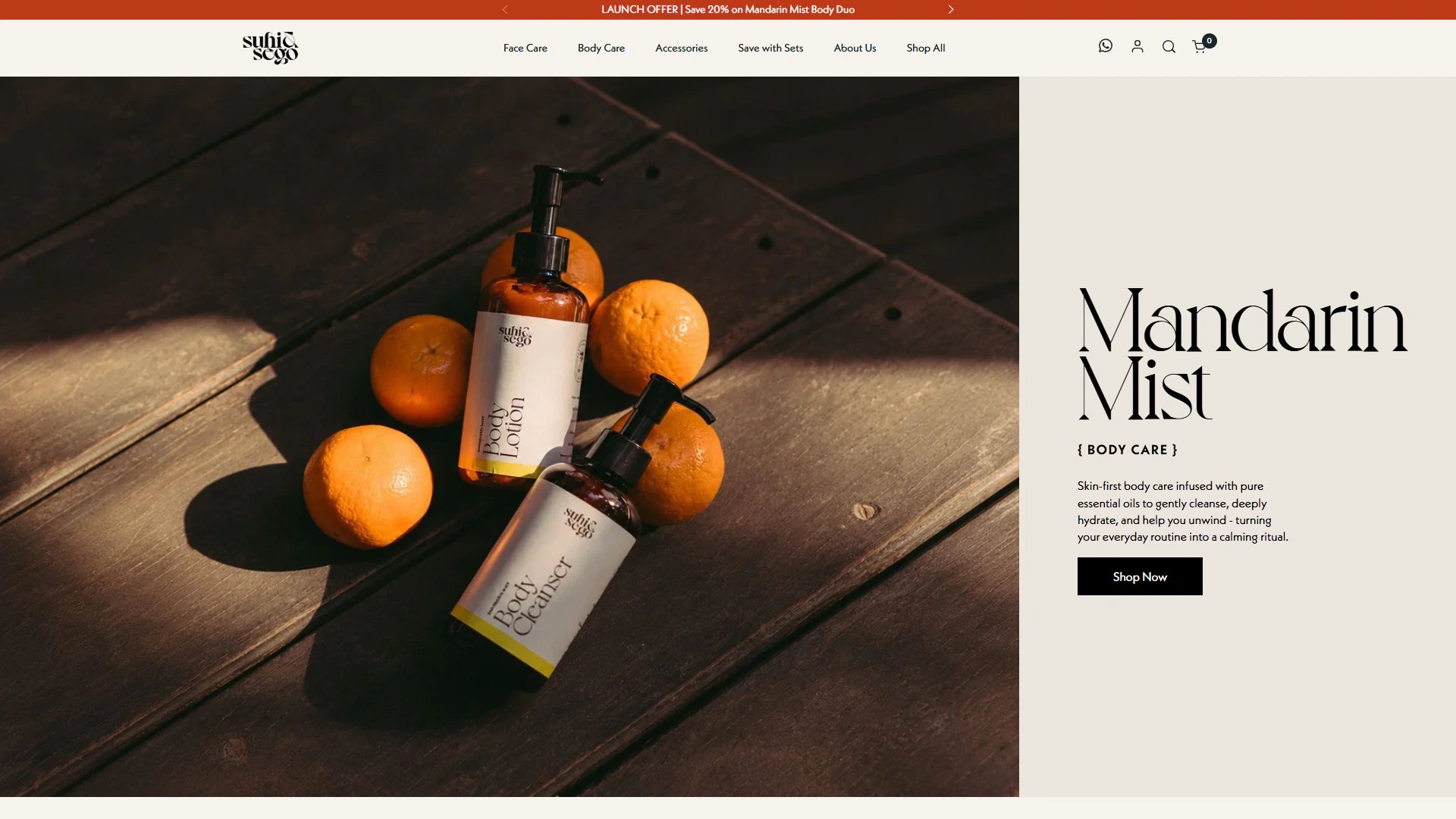
Verified Shopify Plus project imagery showing the storefront in its real brand setting.
View project
Fashion storefront presentation relevant to advanced merchandising and international commerce decisions.
View project
Explain the purpose of every existing customization before selecting a replacement.
Confirm that the required interaction fits the available target and data.
Include relevant discounts, customer states and accelerated purchase paths in acceptance checks.
These examples are selected for relevant Shopify work and visual context. They do not imply a numerical result that has not been verified.
“Another Shopify Plus project successfully done by Vivek. He always solves the issues quickly and without unnecessary revisions.”
Shopify Plus issue resolution / Upwork
Read verified reviewsVivek Gupta offers Shopify checkout extensibility, Checkout UI extensions and Shopify Functions development. His Upwork profile provides a separate place to review client feedback and discuss a checkout brief before agreeing to an engagement.
View Vivek Gupta's Upwork profileDescribe the checkout step or business rule, your Shopify plan and a concrete example of the expected behavior. Extensions, discounts, validation and payment or delivery customizations need different implementation scopes.
Use Upwork for current platform badges, work history and client feedback. Ask about comparable work and who will deliver your project; a portfolio example does not mean every project has the same scope or outcome.
About Vivek and the delivery modelNo. Legacy behavior must be assessed against supported extension targets and the current business requirement. Some features need a different workflow or should be retired.
UI extensions on the information, shipping and payment steps require Plus. Other surfaces, such as thank-you or account pages, have their own availability rules and must be checked separately.
A visual extension and a backend pricing or validation rule serve different purposes. Shopify Functions or another supported capability may be needed for enforcement.
Yes. We inventory each customization, its business purpose, the data it uses and its current owner. The assessment maps retained requirements to supported capabilities and identifies behavior that needs a different approach. Unused customizations should be removed only with the merchant’s approval.
Messages and controls should support a specific decision without crowding the purchase flow. We review available width, labels, errors and the information already shown by other extensions. Test the actual customer scenario rather than adding repeated promotional content simply because a placement is available.
The estimate follows the number of supported targets, data dependencies, settings and backend rules involved. Existing checkout apps and legacy behavior also affect discovery. Provide examples of the customer problem so required development can be distinguished from app configuration or unnecessary duplication.
Tell us where you want to take your Shopify business. Vivek will review your goals and discuss a practical way forward.
Paid projects, development hours and ongoing support. Scope and cost are agreed before work starts. Explore working options.