


Measurement plan
Connect business questions to defined events, parameters and identifiers rather than collecting every possible interaction.
Create trustworthy storefront events and documentation so teams can make decisions from cleaner data.
Analytics work begins with shared definitions. Before adding scripts, we identify which customer actions matter and whether existing integrations already report them. The implementation then provides a testable event path with consent behavior and interpretation limits documented for the people using the reports. For a purchase funnel, the team should agree what each step represents, which integration sends it and what a valid example looks like. We check ordinary journeys and relevant failures, then provide a reference event record. That gives marketers and developers the same definition when a report changes after a release.
Connect business questions to defined events, parameters and identifiers rather than collecting every possible interaction.
Identify overlapping tags and document how approved consent choices affect collection.
Configure the agreed supported pixels or events with clear ownership and minimal duplicate collection.
Record observed payloads, destination behavior and known gaps so later theme releases can be checked consistently.
For an enquiry journey, a CTA click, form start and confirmed submission answer different questions. Counting all three as leads would make campaign reporting misleading even if each tag fires correctly.
Submit a test enquiry successfully, trigger a validation error and revisit the confirmation state. Define which of those actions may emit the conversion event and how duplicates are prevented. Review consent and destination settings alongside the event payload. Record the reporting limitations so a missing or delayed event is not automatically interpreted as a change in customer demand.
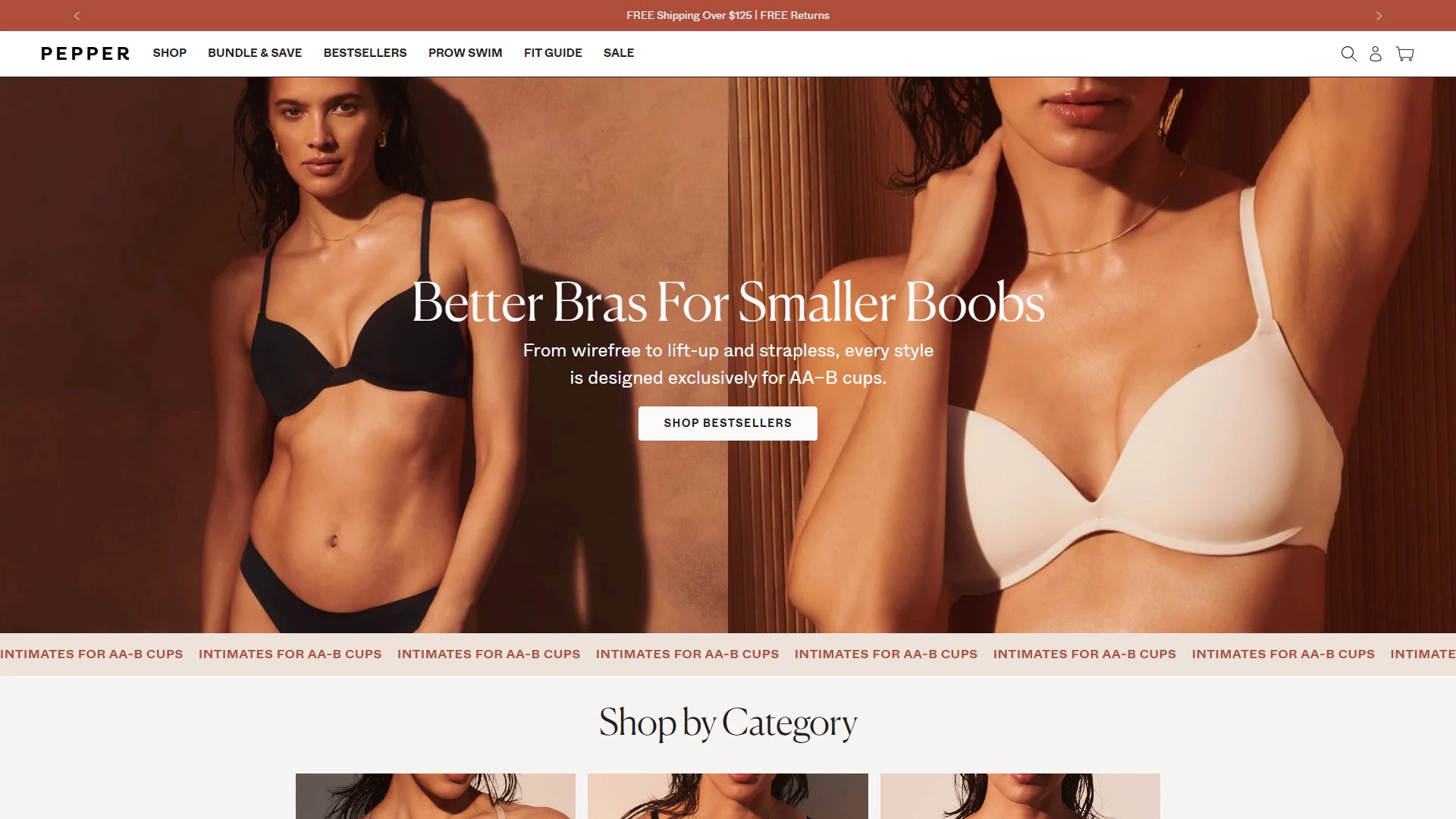
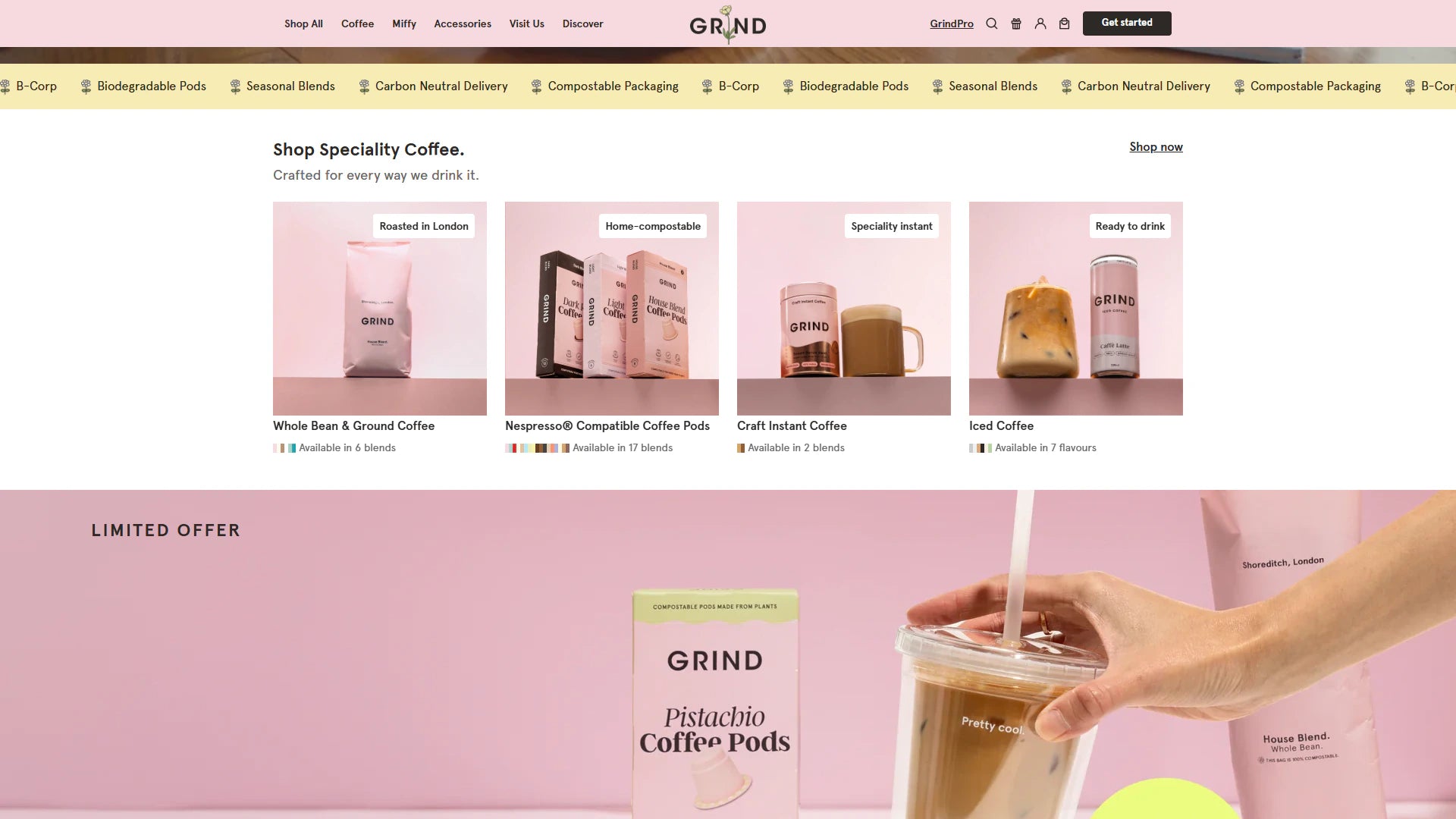
Illustrative scenario for scoping the work, not a reported client result.See real storefront views from the selected Shopify projects. Open each case study for the documented scope and more detail.

Product education and merchandising context relevant to evidence-led customer-journey decisions.
View project
A verified storefront where fit confidence and product discovery shape the buying experience.
View project
Specify what each event should help the team understand.
Follow it from the storefront through the approved collection path and destination.
Document expected parameters and repeatable checks for future releases.
These examples are selected for relevant Shopify work and visual context. They do not imply a numerical result that has not been verified.
“The A/B test was carried out professionally, with good communication and exactly according to the brief.”
A/B testing project / Upwork
Read verified reviewsConsent, attribution models, collection methods and timing can differ. The review compares event definitions and observed behavior before treating every discrepancy as an implementation defect.
Yes. A tracking inventory identifies useful implementation to preserve and duplicate or incorrect collection to change.
No. Browser controls, consent choices and platform rules limit what can be observed. The handover explains those limits alongside the events that were verified.
The review inventories integrations and follows agreed test journeys to identify which systems send the event. We compare event identifiers, timing and relevant order information. Any change to collection should preserve required reporting while removing the specific duplicate path that the evidence identifies.
Define each event, the customer action that triggers it, required properties and the system responsible for sending it. Include consent behavior and known collection limitations. Provide test examples so a developer and an analyst can agree whether the implementation matches the intended measurement.
Repeat the agreed customer journeys and inspect the events they produce, including relevant variant, cart and navigation interactions. Compare payloads with the reference specification and check for duplicate listeners or missing properties. Changes to visual layout should not silently redefine what a conversion event means.
Tell us where you want to take your Shopify business. Vivek will review your goals and discuss a practical way forward.
Paid projects, development hours and ongoing support. Scope and cost are agreed before work starts. Explore working options.