



Market operating model
Document regional offers, catalog availability and the operational constraints behind each market.
Create a storefront model that can serve regional customers without duplicating operational complexity.
International expansion adds regional decisions across the whole buying journey. We use Shopify Markets where it fits the catalog and operating model, then identify the content, integrations or separate-store needs it does not resolve. The scope names each region and its acceptance scenarios. A regional launch should be tested with representative addresses, products and language choices from that market. The customer promise and operating setup must agree on availability and delivery information. We also define who maintains regional content so a later global campaign does not accidentally overwrite local requirements.
Document regional offers, catalog availability and the operational constraints behind each market.
Map domain or subfolder decisions, translated content and customer navigation between regions.
Configure approved market behavior and responsive presentation using available Shopify and app capabilities.
Review representative addresses, currencies, language choices and product availability for the markets in scope.
Adding a second country can affect URLs, language, available products, currency presentation and delivery expectations. Translating the homepage alone leaves important product and post-purchase questions unanswered.
Choose a product sold in both countries and another excluded from the new market. Review the localized product information, price presentation and delivery messaging through the purchase journey. Check market switching and the destination URLs, then identify who maintains translations and regional availability. The launch checklist should include a customer entering the site directly on a regional product page.
Illustrative scenario for scoping the work, not a reported client result.See real storefront views from the selected Shopify projects. Open each case study for the documented scope and more detail.

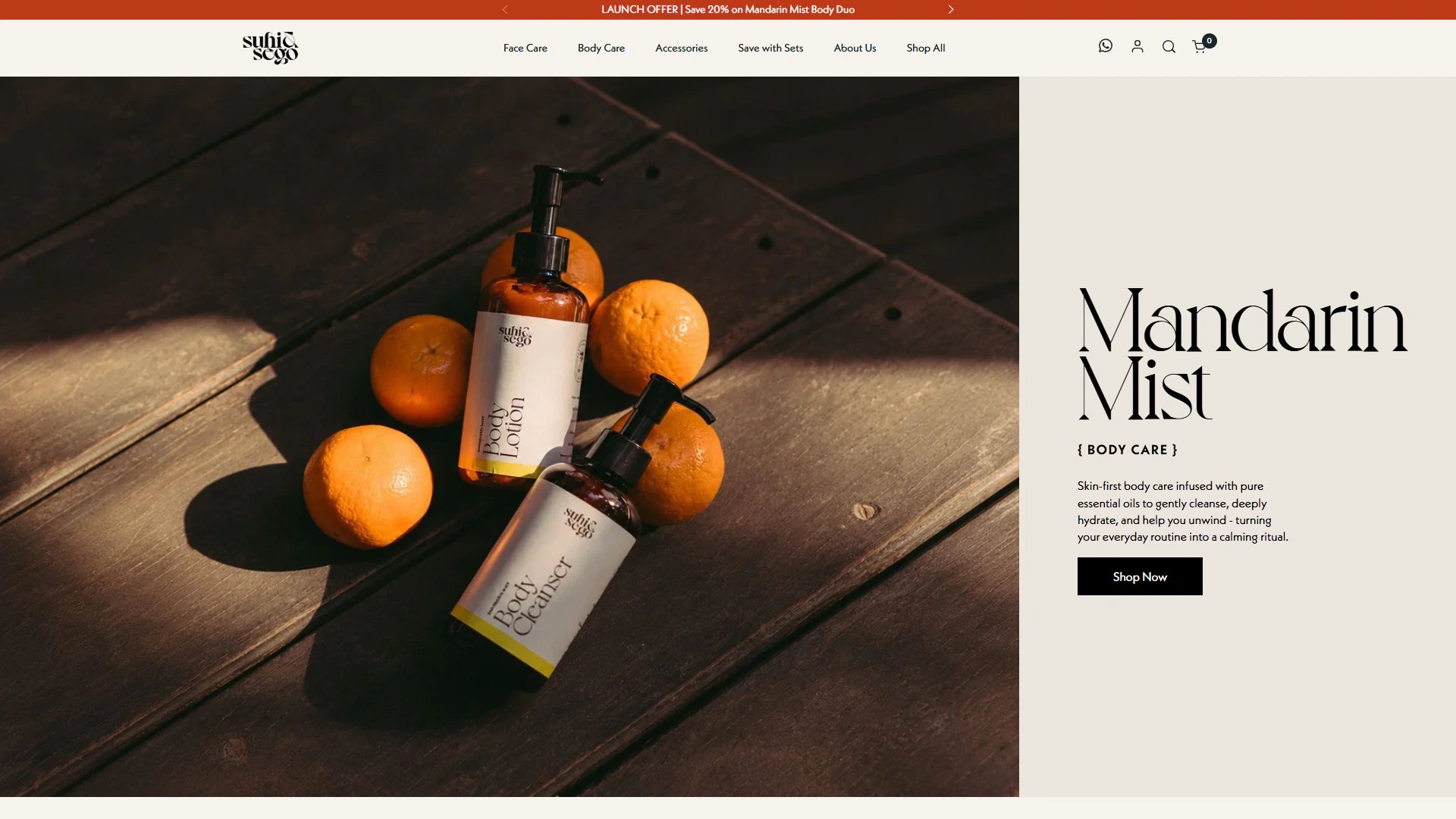
Verified Shopify Plus project imagery showing the storefront in its real brand setting.
View project
Fashion storefront presentation relevant to advanced merchandising and international commerce decisions.
View project
Separate translated content from pricing, catalog and fulfillment requirements.
Test the intended market journey with representative customer addresses.
Document who maintains translations, regional offers and operational notices after launch.
These examples are selected for relevant Shopify work and visual context. They do not imply a numerical result that has not been verified.
“Another Shopify Plus project successfully done by Vivek. He always solves the issues quickly and without unnecessary revisions.”
Shopify Plus issue resolution / Upwork
Read verified reviewsNo. Customers also need appropriate product availability, language, delivery information and payment options. Tax and regulatory decisions require the relevant business advisers and are inputs to implementation.
Not automatically. A Markets setup may centralize much of the operation, while separate stores can fit genuinely different catalogs or teams. The decision follows operational requirements and supported capabilities.
Translation helps customers understand the offer, but useful localized content, correct URL handling and regional relevance still matter. Search performance cannot be guaranteed by enabling a language.
List the countries or regions, languages, catalog differences, payment requirements and delivery proposition. Identify the people responsible for approved tax, policy and regulatory inputs. These details help separate Shopify configuration from translation, operational preparation and custom integration work.
We test the agreed market and language selections with representative products and addresses. Review product availability, displayed prices, navigation and the transition toward checkout. The checks should also cover a visitor changing regions so the store does not present contradictory content or lose useful context.
The publishing workflow is agreed around the store architecture and tools in use. We identify which content is shared and which needs regional ownership, then document the update and approval process. Regional teams should know how to preview a change and check its effect on other markets.
Tell us where you want to take your Shopify business. Vivek will review your goals and discuss a practical way forward.
Paid projects, development hours and ongoing support. Scope and cost are agreed before work starts. Explore working options.