


Selected Shopify work
Odette
Explore the storefront and the published project scope for Odette.
Jewellery and accessories customers may need to compare materials, dimensions or a personalized option that will become part of the order. Shopify design and development should make those choices legible through detailed media and product information. We plan custom selections and gifting journeys with the merchant or production data needed to fulfill the chosen item.
Explore the storefront and the published project scope for Odette.
Small differences in material, size, finish and personalization can carry most of the purchase decision. Customers need close product detail and gifting confidence, while merchants need variant and customization data that remains accurate through cart and fulfillment.
Show scale, finish and relevant material detail so customers can compare pieces without relying on a single decorative product image.
Confirm the selected size, engraving or other personal choice in the buying summary and preserve the instructions needed to prepare the order.
Let shoppers explore by a meaningful product attribute or occasion while keeping navigation and collection content practical for mobile browsing.
Present packaging, gift messages, delivery information and relevant product care where they help a customer decide what they are purchasing.
Pair sharp responsive media with materials, dimensions and care.
Capture customer choices clearly and preserve them through the order.
Use collection hierarchy, filters and editorial context without visual noise.
Clarify packaging, delivery and return expectations before purchase.
Give customers a clear summary of the selected size, finish and personalization before adding an item to cart. Validate missing choices and preserve the instructions needed to prepare the order.
Keep material-specific care, sizing help and merchant-approved warranty information easy to find after purchase. Use reusable content sections across products with the same ownership requirements.
Material, dimensions, finish and personalization carry much of the purchase decision for jewellery and accessories. The product page should explain those differences while preserving an accurate specification for the order.
Pair close-up media with dimensions and on-person or contextual imagery. Distinguish base material, plating, stone details and care instructions using merchant-approved information. A customer should not have to infer size or construction from a styled photograph.
Deliverable: a product-detail content model and a media checklist for the range.
Specify permitted characters, length, placement and any required confirmation for engraving or customization. Decide which options change the paid product and which are production notes. Text stored as a line-item property does not itself add a charge.
Deliverable: option rules, price mapping and a readable order specification.
Model wrapping, message text and delivery expectations at the right level: an entire order or an individual item. Explain personalization lead times and the applicable return information before the customer commits. Test a basket containing both personalized and standard products.
Acceptance check: customer summary and fulfillment instructions agree for every item.
Make care, sizing, repair or adjustment information easy to find when those services are offered. Keep support staff able to identify the original material, size and customization. Use product attributes to connect matching items without assuming every finish or size is compatible.
Bring to discovery: product specifications, personalization rules and aftercare policies.
Choose the work around your jewellery and accessories store’s immediate needs, from the shopping experience to the systems that support each order.
Create a refined, image-led storefront system.
Custom Shopify theme development suits a defined design system or publishing workflow that needs tailored templates. Provide approved designs, representative products and required app behavior. The specification covers reusable Liquid sections, responsive interaction states and theme editor controls, followed by acceptance checks and guidance for everyday content updates.
Explore serviceHandle dependent choices and personalization data.
Shopify product configurator development turns product choices into a valid, understandable order. Bring option rules, incompatible combinations, pricing examples and any production requirements. The scope connects selection controls with validation, cart summaries and the information staff receive, then tests unavailable choices and other exceptions using representative products.
Explore serviceSupport discovery by material, style, color and occasion.
Shopify search and filtering work depends on consistent catalog information and real customer questions. Share representative queries, product attributes and merchandising priorities. We define useful filters, sorting and result states, review the chosen search platform and test mobile controls, empty results and large collections before documenting the maintenance process.
Explore serviceUse customer evidence to prioritize product discovery, product-page, cart and mobile journey improvements without promising an untested uplift.
Shopify conversion rate optimization connects customer research with a prioritized improvement plan. Bring the journeys that concern you, available analytics and recurring support questions. We distinguish reproducible defects from hypotheses, define what to measure and agree how proposed changes will be reviewed before committing to implementation or experimentation.
Explore serviceConnect the buying experience with the way your team manages products, customers and orders. Build around the capabilities your store needs.
Model reusable product and editorial information so the store can publish consistent content without duplicating data across templates.
Capture customer selections such as engraving or measurements with the order; pricing and stock are handled through the approved product model.
Use native filters, synonyms, product boosts and recommendations to make a well-structured catalog easier to shop.
Serve clear, correctly sized product imagery and connect media changes to product choices without slowing the mobile journey.
Define the regions the store serves and coordinate the supported product, pricing and operating requirements for each market.
For personalization, review how line-item properties preserve customer choices with the order.
Browse the imagery, shopping journeys and published scope behind these projects. Compare material choices, personalization guidance and configuration summaries with the questions your customers ask before ordering. Read the buying experience alongside the contribution documented for that engagement. Use a relevant example to explain your own product range, merchandising controls and operational differences, so discovery can produce a brief for the catalog and team you operate.

Jewellery and occasion-led collections with image-focused product presentation.
View case study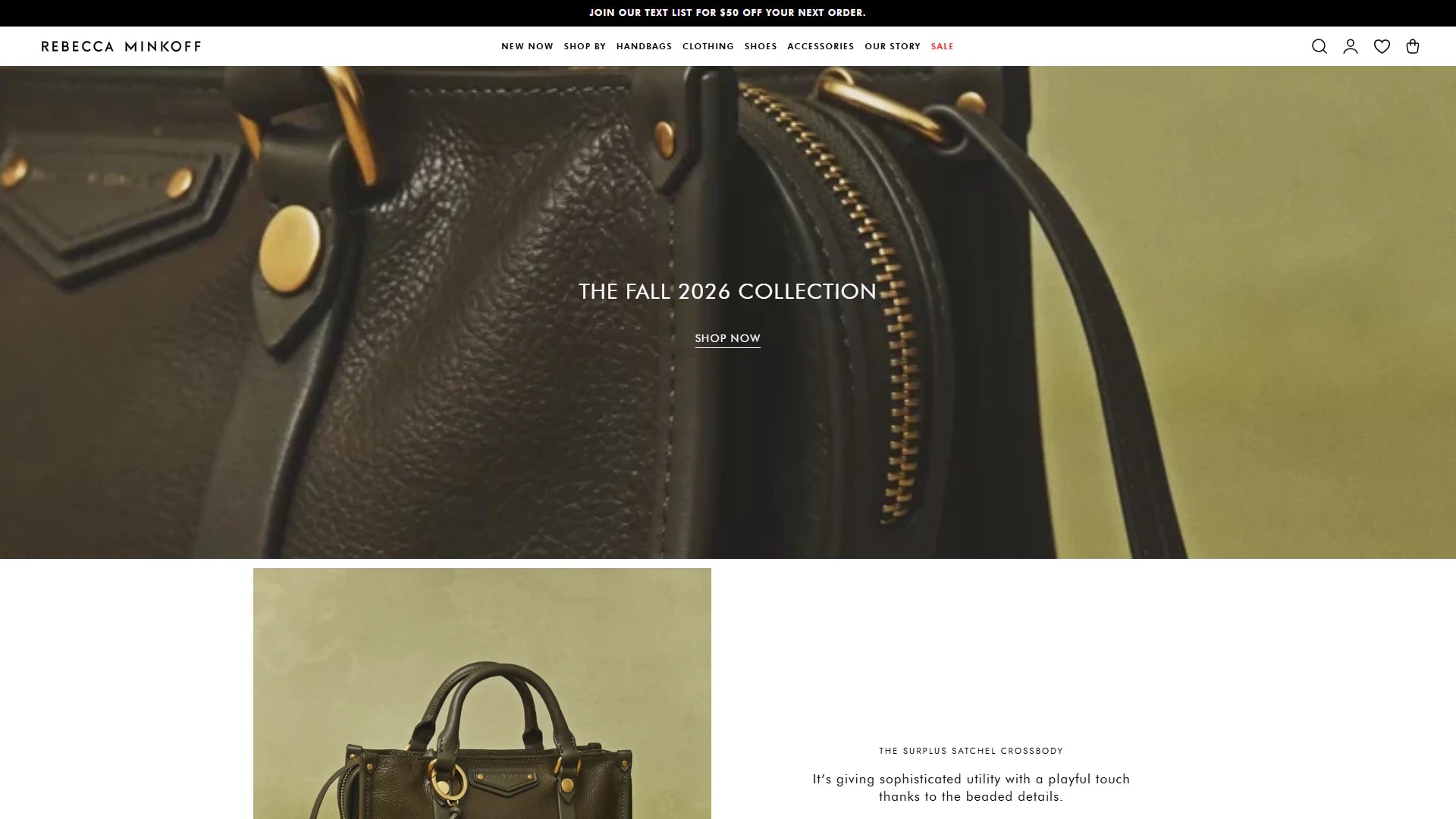
Handbags, accessories and seasonal edits with a clear browsing hierarchy.
View case study
Travel essentials with a focus on materials, product features and considered imagery.
View case study