


Legacy behavior discovery
Record undocumented pricing, catalog, customer and fulfillment rules before choosing Shopify replacements.
Turn undocumented custom-platform behavior into a clear Shopify architecture the business can operate.
Moving a custom platform to Shopify starts by making the current operation understandable. We combine technical inspection with staff knowledge to uncover hidden rules, then assess how Shopify can support their business purpose. Data extraction and platform fit are established before a full rebuild is estimated. Legacy rules are often split between code, spreadsheets and staff knowledge. A representative order walkthrough helps reveal approval steps, unusual pricing and records maintained outside the storefront. We document which of those behaviors remain necessary, then test the proposed Shopify mapping before committing to a broad replacement.
Record undocumented pricing, catalog, customer and fulfillment rules before choosing Shopify replacements.
Define a repeatable path from approved source records to the Shopify data model.
Separate native configuration, app requirements and custom integrations, including requirements that cannot transfer directly.
Document sample results, exceptions, cutover sequencing and the retained access needed to investigate historical records.
An undocumented platform may store customer-visible choices separately from order lines or compute prices in custom code. Database access alone does not explain which records are authoritative.
Trace one real purchase from the source interface to its stored order record, using appropriately protected sample data. Identify where availability, price and customer selections are computed. Have the operating team confirm the intended result before mapping fields. A rehearsal should expose missing identifiers or undocumented rules early, with a clear owner for each unresolved exception.
Illustrative scenario for scoping the work, not a reported client result.See real storefront views from the selected Shopify projects. Open each case study for the documented scope and more detail.

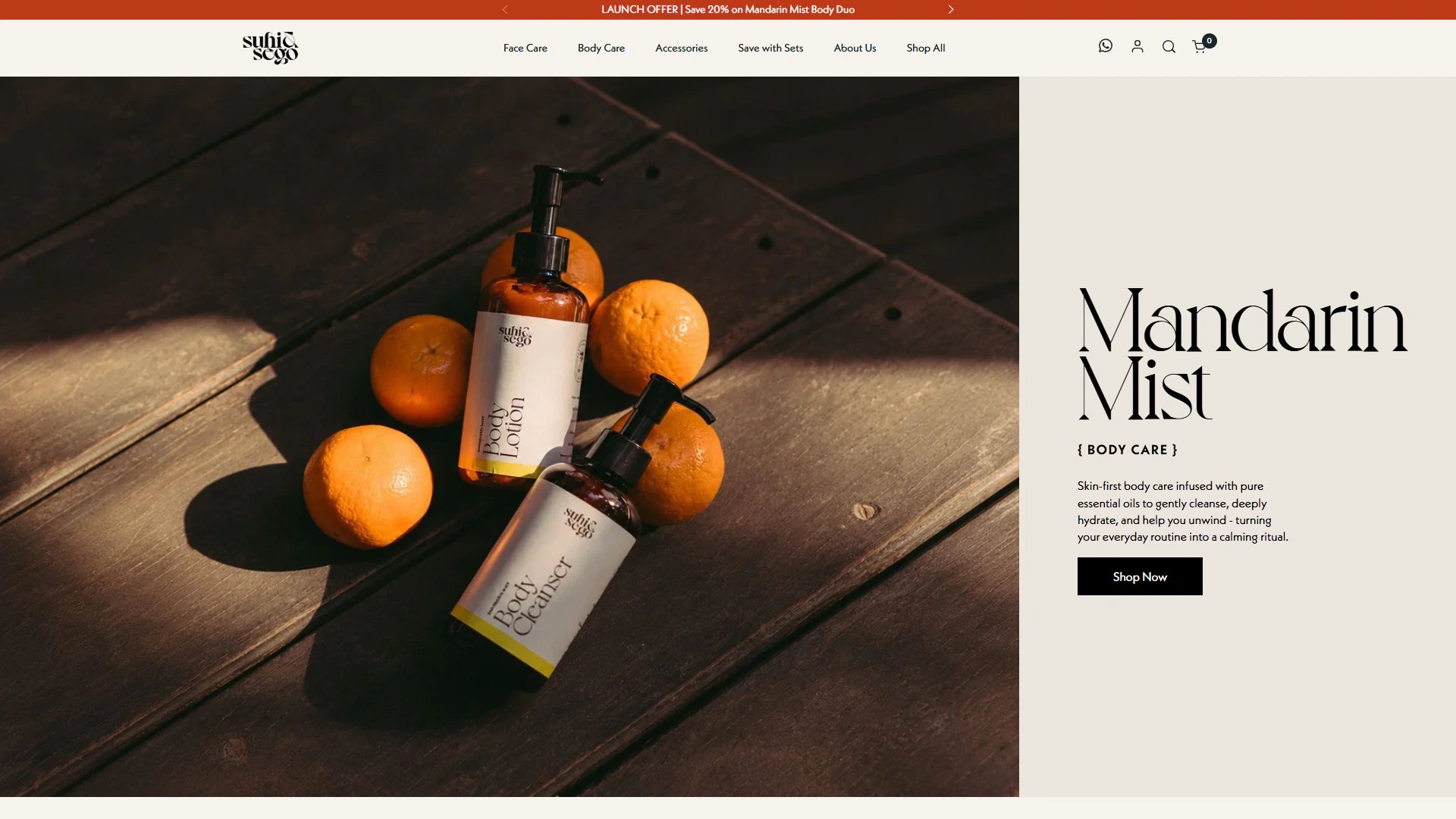
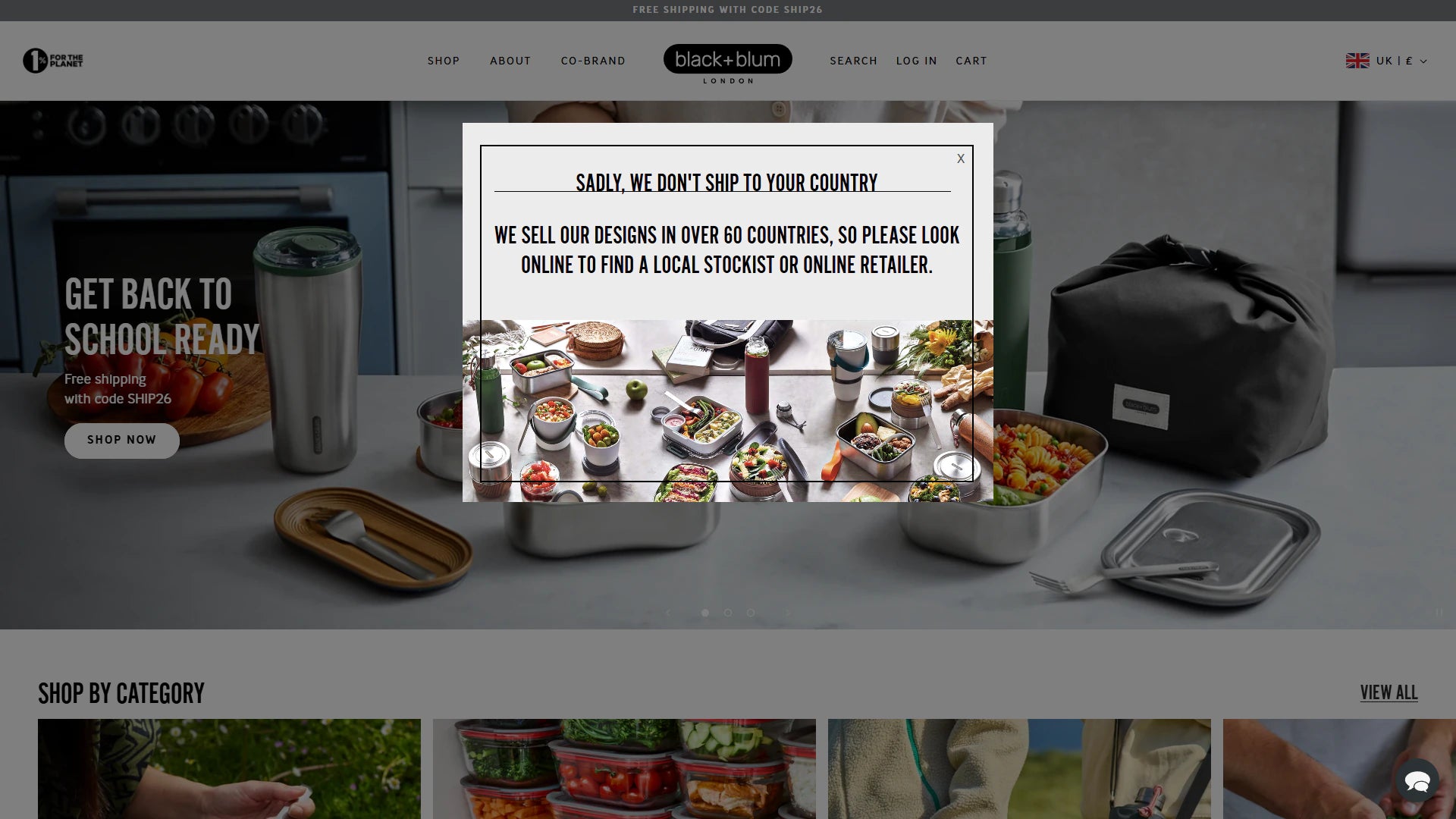
Verified storefront context for a Shopify transformation where content, catalogue and customer journeys must remain connected.
View project
A product-led Shopify storefront illustrating the catalogue and merchandising context migration planning must preserve.
View project
Find rules that exist in workarounds and staff memory rather than documentation.
Use repeatable sample exports to verify relationships and transformation assumptions.
Test the unusual cases that standard product and order examples miss.
These examples are selected for relevant Shopify work and visual context. They do not imply a numerical result that has not been verified.
“Communication was clear, requirements were understood quickly, and the Shopify theme updates were handled professionally.”
Theme migration and code optimization / Upwork
Read verified reviewsAn approved export or database extraction may be possible, but source access and data ownership must be established first. The estimate should reflect the quality and repeatability of the available extraction method.
No. Shopify has different constraints and extension surfaces. Discovery identifies the business purpose of each feature and proposes a supported destination workflow or documents the gap.
Only logic that still serves an agreed requirement. Some custom behavior can be replaced by native Shopify configuration, while obsolete features may be retired with the business owner’s approval.
We combine sample data and technical inspection with walkthroughs from the staff running the platform. Ask how unusual orders, stock exceptions and customer requests are handled today. Those examples reveal requirements that may be absent from a feature list or database export.
A bounded discovery or sample extraction can establish the first reliable facts. Full implementation needs enough certainty about required data, customer journeys and operational dependencies. Unknowns should be recorded with an owner and a validation step instead of becoming assumptions in the migration code.
Start with the business outcome it supports and evidence that the feature is still used. Compare native Shopify capabilities, available apps and custom development against that outcome. The merchant approves any removal or changed workflow, with training and handover included where staff behavior will change.
Tell us where you want to take your Shopify business. Vivek will review your goals and discuss a practical way forward.
Paid projects, development hours and ongoing support. Scope and cost are agreed before work starts. Explore working options.